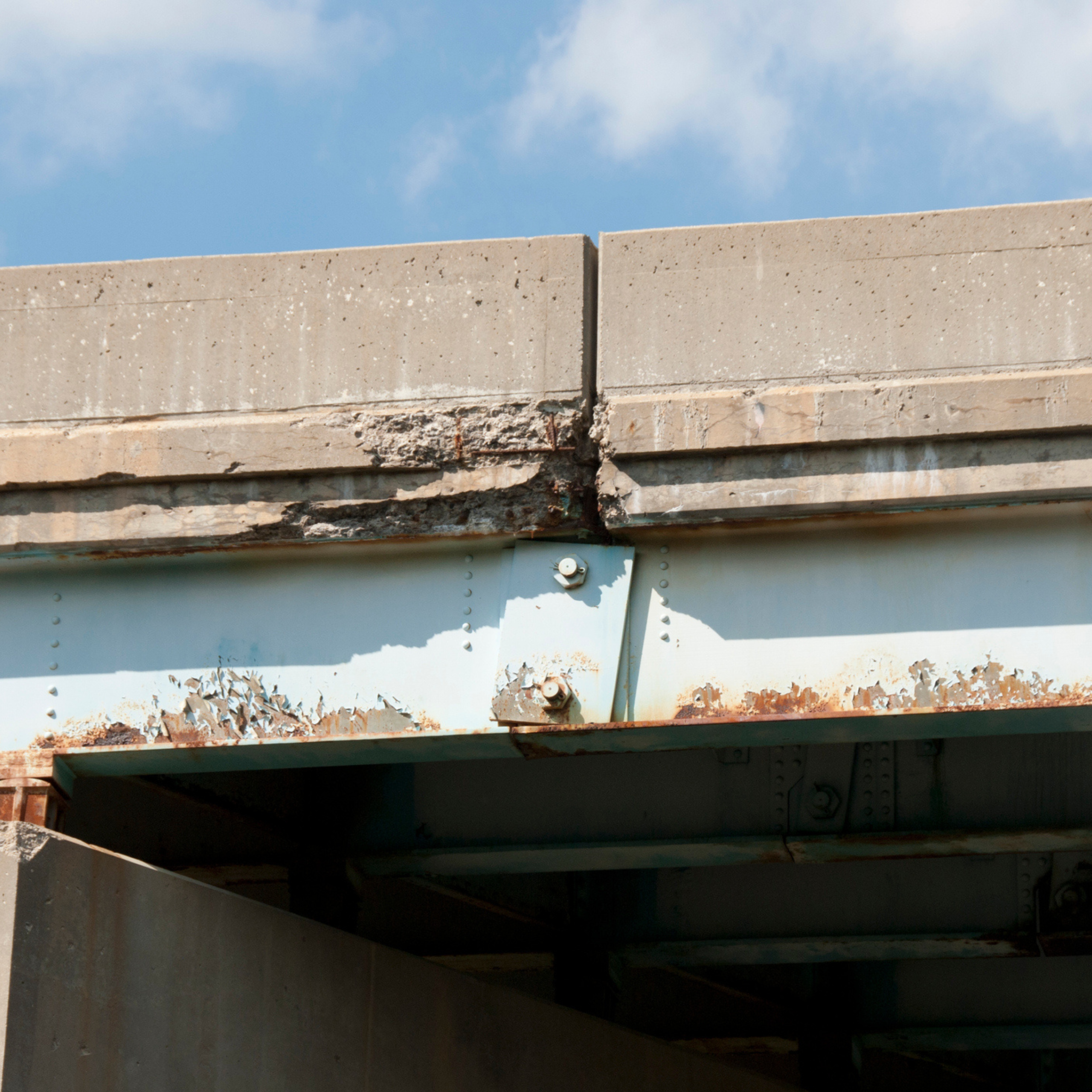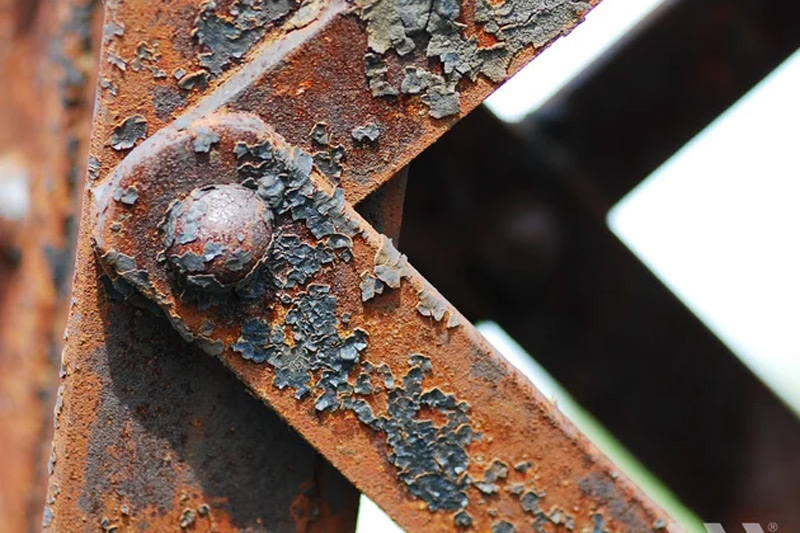
Corrosion 101: Essentials for Asset Protection: What is corrosion?

CORROSION 101 · PART ONE Corrosion is the deterioration of a material—usually metal—caused by a chemical or electrochemical reaction with its environment. Moisture, oxygen, salts, acids, and other conditions can drive these reactions, gradually weakening materials and reducing asset life. An introduction to

Sustainable Corrosion Protection: Environmentally Friendly Coatings and Practices

Sustainable corrosion protection uses low-VOC coatings, bio-based inhibitors, and smarter application to cut waste.

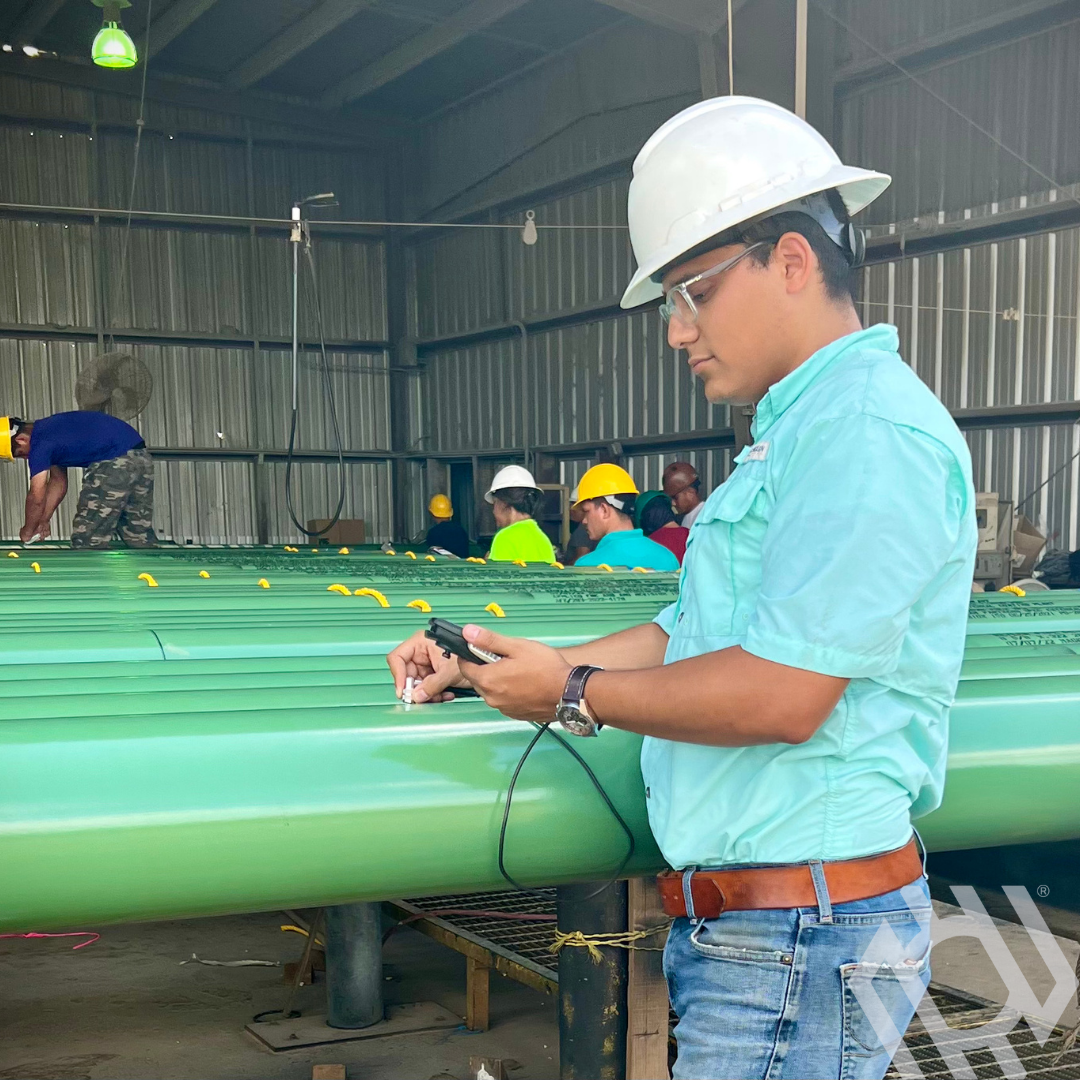
FBE Application & Inspection: Common Challenges and How to Avoid Them

FBE coating failures start with surface prep, preheat, and cure. Five common mistakes and how to avoid them.

Understanding Corrosion Under Insulation (CUI): Causes, Detection, and Prevention

CORROSION UNDER INSULATION · ASSET INTEGRITY Corrosion under insulation (CUI) is corrosion that develops beneath thermal insulation on piping, vessels, and other equipment. Because the insulation hides the metal surface, damage can progress unnoticed until wall loss, pitting, coating failure, or other integrity

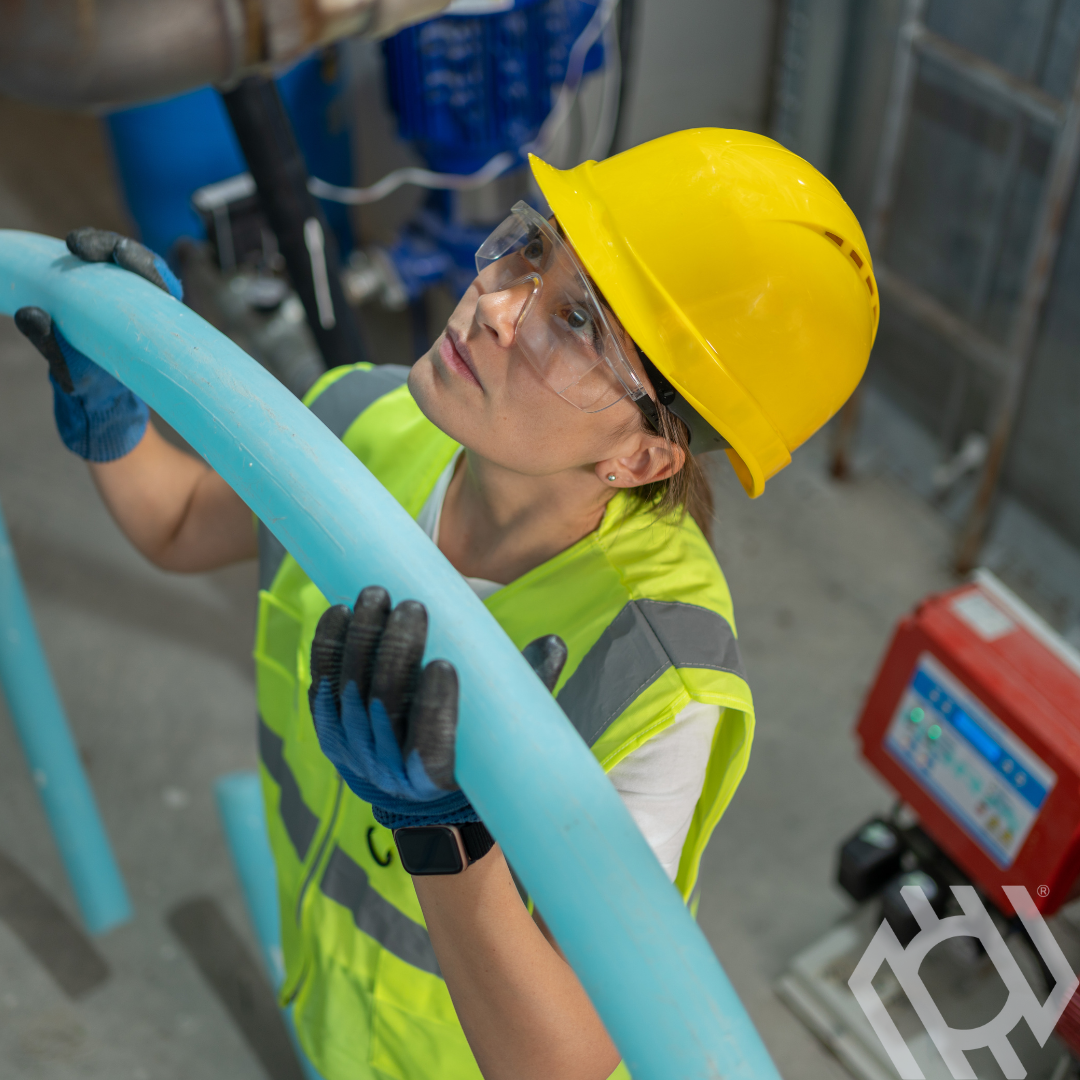
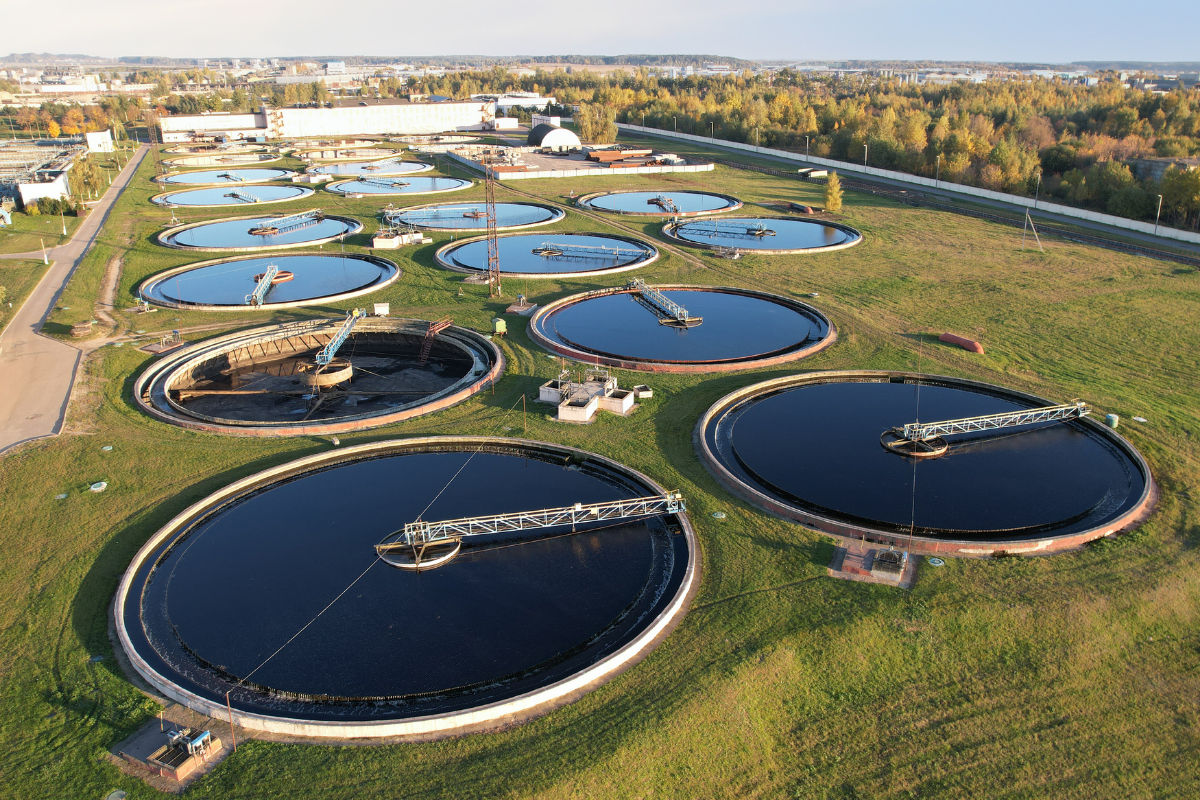
Extending Wastewater System Service Life with Polymer-Based Coatings

Discover how polymer-based coatings protect wastewater systems from corrosion, reduce maintenance, and extend infrastructure service life.

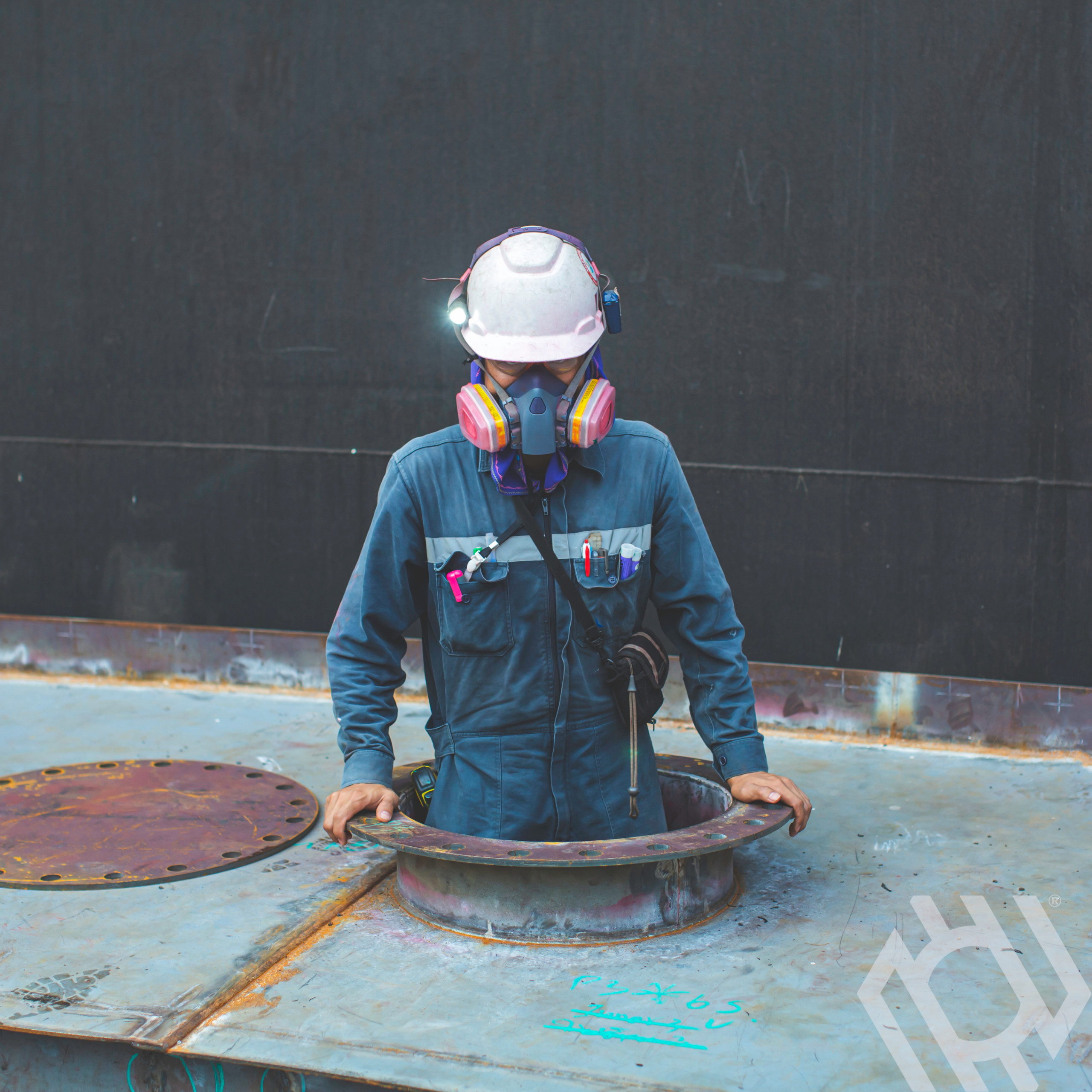
Preventing Corrosion in Storage Tanks

Discover expert strategies to prevent corrosion in storage tanks, including ceramic coatings, epoxy linings, and targeted epoxy repairs, enhancing safety, compliance, and asset longevity.

U.S. Researchers Work to Optimize Nuclear Material Coatings

Researchers at Argonne National Laboratory have developed a framework to accelerate the discovery of materials for nuclear reactors, reducing reliance on nickel-based alloys. This innovation supports clean energy goals by identifying corrosion-resistant, high-strength materials suitable for extreme reactor environments.

Prep Makes Perfect: Surface Strategies for Concrete Coatings

SURFACE PREPARATION · PROTECTIVE COATINGS Successful coating application starts with successful surface preparation. That can involve much more than cleaning or blasting: contractors may need to address worker safety, dust control, power supply, climate conditions, contaminants, old coatings, surface defects, grinding, profiling, and

Estimating Corrosion of Embedded Steel Rebars in Bridge Structures

Discover how researchers from MnDOT developed a predictive tool to estimate corrosion in embedded steel rebars of bridge structures. Learn how it improves maintenance planning and ensures structural safety.

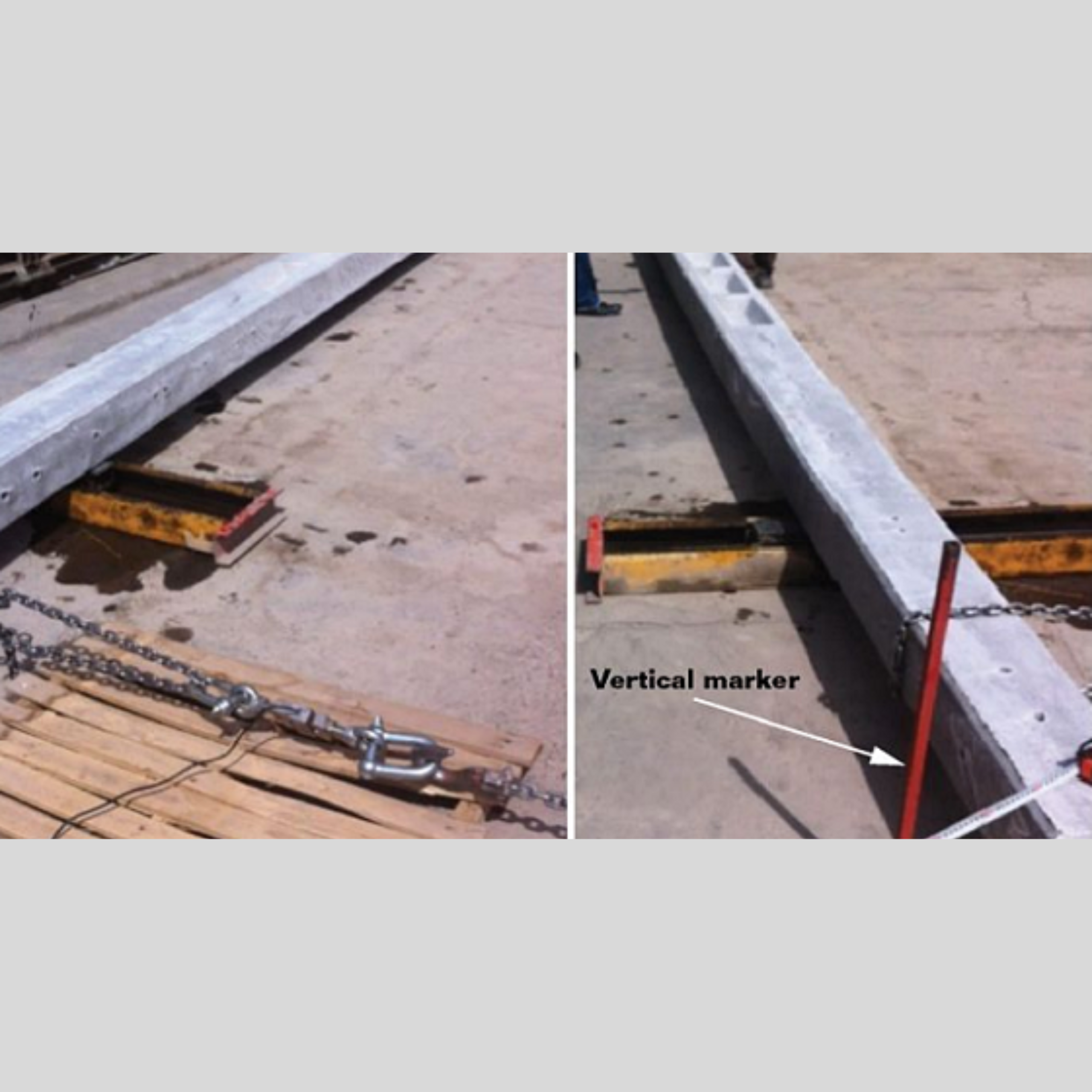
Bend Test of Concrete Power Poles

Learn how concrete power poles are tested for bending strength, including normal, elastic, and ultimate strength criteria, to ensure durability and resistance to mechanical forces. A detailed study by Abbas and Behnaz Aghajani