Extending Wastewater System Service Life with Polymer-Based Coatings
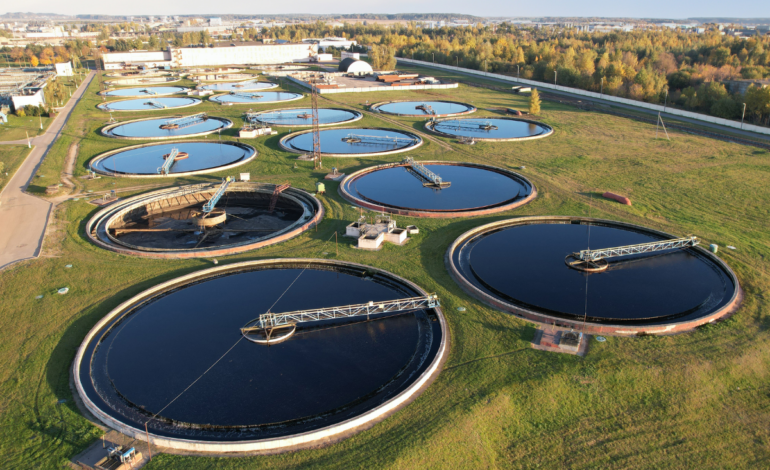
WASTEWATER INFRASTRUCTURE · PROTECTIVE LININGS
Polymer-based coatings and linings help protect wastewater infrastructure by creating a barrier between concrete or steel substrates and corrosive service environments. Epoxy, polyurethane, and polyurea systems can be selected based on chemical exposure, substrate condition, application requirements, cure time, and expected service conditions.
For municipalities and asset owners, the goal is bigger than preventing visible corrosion. A properly selected and applied protective system can help extend asset life, reduce unplanned maintenance, and keep critical wastewater infrastructure in service.
AT A GLANCE
Polymer protection for wastewater systems
- The challenge: Wastewater infrastructure can be exposed to moisture, chemicals, hydrogen sulfide, acids, and microbiologically influenced deterioration.
- The protection: Coatings and linings create a barrier between the corrosive environment and the underlying substrate.
- Common polymer systems: Epoxy, polyurethane, and polyurea.
- Selection matters: Chemical exposure, substrate, temperature, moisture, cure requirements, and application conditions all affect performance.
- Installation matters: Surface preparation and proper application are critical to achieving the intended service life.
Underground wastewater infrastructure may be out of sight, but its condition has direct consequences for communities. Corrosion and deterioration can contribute to leaks, service interruptions, emergency repairs, environmental releases, and costly rehabilitation projects.
The 2025 ASCE Wastewater Infrastructure Report highlights continuing challenges facing wastewater collection and treatment infrastructure. For asset owners, that makes proactive maintenance and protection increasingly important.
As explored in CoatingsPro‘s “Enhancing the Durability of Underground Wastewater”, protective coatings and linings are one strategy for improving the durability of these demanding assets.
Why Is Wastewater Infrastructure Vulnerable to Corrosion?
Wastewater infrastructure operates in a challenging environment. Concrete and steel components may encounter continuous moisture, changing chemical conditions, abrasive flow, biological activity, and corrosive compounds generated during wastewater collection and treatment.
Hydrogen sulfide (H₂S) is a particular concern in many wastewater environments. Under suitable conditions, biological processes can contribute to the formation of sulfuric acid at concrete surfaces, leading to deterioration commonly associated with biogenic sulfuric acid corrosion.
THE PROTECTION CHALLENGE
The substrate and the wastewater environment need to be separated.
A protective coating or lining acts as a barrier, limiting direct contact between the underlying concrete or steel and the moisture, chemicals, contaminants, and other conditions that can contribute to deterioration.
Why Use Polymer-Based Corrosion Protection?
Polymer-based coatings and linings can provide a continuous protective barrier over concrete or steel. Depending on the chemistry and formulation, these systems can offer combinations of adhesion, chemical resistance, flexibility, abrasion resistance, moisture resistance, and rapid cure.
There is no single polymer system that is right for every wastewater asset. Performance depends on matching the material to the substrate, exposure conditions, chemical environment, installation constraints, and expected service life—and then preparing and applying it correctly.
Common Polymer Coatings and Linings for Wastewater Infrastructure
The appropriate system depends on the substrate, chemical exposure, operating conditions, installation environment, and project requirements. Common polymer technologies include:
01 · EPOXY
Epoxy Coatings and Linings
Epoxy systems are widely used for infrastructure protection because formulations can provide strong adhesion, chemical resistance, and durable barrier protection. Surface preparation, substrate condition, and the specific service environment are important to performance.
02 · POLYURETHANE
Polyurethane Systems
Polyurethane formulations can provide flexibility along with resistance to mechanical and chemical exposure. Those properties can make them useful where movement, impact, abrasion, or other service conditions need to be considered.
03 · POLYUREA
Polyurea Linings
Polyurea systems are known for rapid cure and can offer flexibility and durable barrier protection. Fast return-to-service can be valuable on projects where downtime is limited, but application equipment, substrate preparation, environmental conditions, and installer experience remain critical.
ANOTHER LINING APPROACH
Calcium Aluminate Cement Linings
Calcium aluminate cement systems are another option used in wastewater infrastructure, particularly for concrete protection in environments affected by biogenic corrosion. These are cementitious lining systems rather than polymer coatings, so they belong in a separate material category when comparing protection technologies.
What Should You Consider When Selecting and Applying a Polymer System?
Material chemistry is only one part of the decision. The entire protection system—from substrate preparation through cure and inspection—affects whether the finished lining performs as intended.
01 · EXPOSURE
Understand the Chemical Environment
Identify the chemicals and contaminants the system may encounter and consider their concentration, temperature, duration, and frequency of exposure. Select materials based on the actual service environment and manufacturer guidance.
02 · SURFACE
Prepare the Substrate Correctly
Coating and lining performance depends heavily on surface condition. Cleaning, removal of unsound material, profiling, repairs, moisture management, and other preparation requirements should follow the project specification and product manufacturer’s recommendations.
03 · SCHEDULE
Account for Cure and Return-to-Service
Fast return-to-service may be important for high-flow or critical assets, but cure requirements should not be shortened simply to meet a schedule. Follow the manufacturer’s specified cure conditions before returning the system to service.
04 · CONDITIONS
Control Application Conditions
Temperature, substrate moisture, humidity, ventilation, dew point, accessibility, and other site conditions can affect installation. Requirements vary by product, so field conditions should be checked against the product data and project specification.
05 · REQUIREMENTS
Confirm Project and Regulatory Requirements
Specifications may include requirements related to environmental compliance, worker safety, VOC content, wastewater compatibility, inspection, testing, and documentation. Applicable requirements depend on the product, project, location, and service environment.
Think Beyond Installation: Protect the Asset’s Service Life
The value of a protective system is not determined only by how quickly or inexpensively it can be installed. Asset owners also need to consider how the system performs over time, how it will be inspected and maintained, and what happens if it requires repair.
THE BIGGER PICTURE
The goal is not simply to coat the structure. It is to protect the asset.
System selection, surface preparation, application, inspection, maintenance, repairability, and expected service life all contribute to the long-term value of a wastewater protection strategy.
Common Questions About Wastewater Coatings and Linings
Quick answers about polymer systems and corrosion protection for wastewater infrastructure.
Why does wastewater infrastructure corrode?
Wastewater systems may be exposed to moisture, chemicals, contaminants, biological activity, hydrogen sulfide, acids, and other aggressive conditions. These exposures can contribute to deterioration of concrete and corrosion of metallic components.
What coatings are used in wastewater systems?
Depending on the substrate and service environment, wastewater protection systems may include epoxy, polyurethane, polyurea, and other specialized coating and lining technologies. Cementitious systems such as calcium aluminate cement may also be used for certain concrete applications.
What is a polymer lining?
A polymer lining is a protective layer made from polymer-based materials that separates a substrate from its service environment. In wastewater infrastructure, these systems can help limit direct exposure of concrete or steel to corrosive moisture, chemicals, and contaminants.
Which polymer coating is best for wastewater infrastructure?
There is no single best system for every wastewater application. Selection should consider substrate type and condition, chemical exposure, temperature, moisture, abrasion, movement, cure requirements, installation conditions, inspection requirements, and expected service life.
Why is surface preparation important for wastewater linings?
The protective system must properly bond to the substrate to perform as intended. Contamination, weak concrete, unsuitable surface profile, excessive moisture, or other substrate problems can interfere with adhesion and contribute to premature coating or lining failure.
FROM SPECIFICATION TO INSPECTION
Build the Skills to Protect Critical Infrastructure
Whether you specify protective systems, apply coatings and linings, inspect completed work, or manage infrastructure assets, AMPP education can help build practical knowledge across coatings, corrosion, inspection, and materials protection.
AMPP MEMBER RESOURCE
Go Deeper Into the Technical Research
AMPP members can search the AMPP content library for standards, conference proceedings, journal articles, magazine content, and other technical resources. Try searching terms such as polymer coatings, wastewater linings, or biogenic corrosion.
EXPLORE MORE
Continue Exploring Wastewater Protection
Enhancing the Durability of Underground Wastewater →
AMPP Corrosion Reference Library →
AMPP Education by Job Function →

Have photos or videos from the field? Submit them to AMPP →