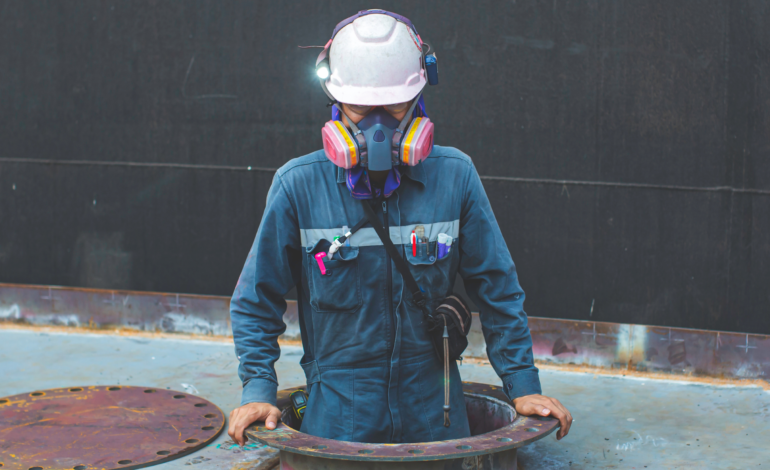
Exploring Corrosion Careers: 5 In-Demand Roles in Materials Protection
CAREERS · MATERIALS PROTECTION
Corrosion careers span inspection, coatings application, cathodic protection, testing, monitoring, engineering, and specialized technical work. These roles help protect infrastructure by identifying corrosion risks, applying protective systems, verifying quality, and maintaining assets throughout their service life.
If you enjoy hands-on fieldwork, technical problem-solving, testing, inspection, or applied science, materials protection offers several different career paths. Here are five roles to explore and some of the ways professionals get started.
AT A GLANCE
Five corrosion careers to explore
- Coatings Inspector: verifies surface preparation, coating application, environmental conditions, and quality.
- Industrial Painter / Coatings Applicator: prepares substrates and applies protective coating systems.
- Cathodic Protection Technician: tests and maintains systems used to control corrosion on buried or submerged structures.
- Corrosion Technician: performs field testing, monitoring, data collection, and corrosion-control support.
- Internal Corrosion Technologist: evaluates and manages corrosion threats inside pipelines and other process systems.
What Do Corrosion Professionals Actually Do?
Corrosion professionals help protect bridges, pipelines, tanks, ships, water systems, industrial facilities, and other assets from deterioration. Their work can include inspecting coatings, preparing and coating surfaces, testing cathodic protection systems, monitoring corrosion rates, evaluating materials, or developing prevention strategies.
The field includes both craft and technical career paths. Some roles are primarily hands-on and field-based, while others involve inspection, data analysis, laboratory work, engineering, design, or program management.
THERE ISN’T ONE CORROSION CAREER PATH
The field needs people who inspect, apply, test, troubleshoot, analyze, design, and lead.
That variety makes materials protection accessible to professionals with different backgrounds, interests, and levels of formal education.
1. Coatings Inspector
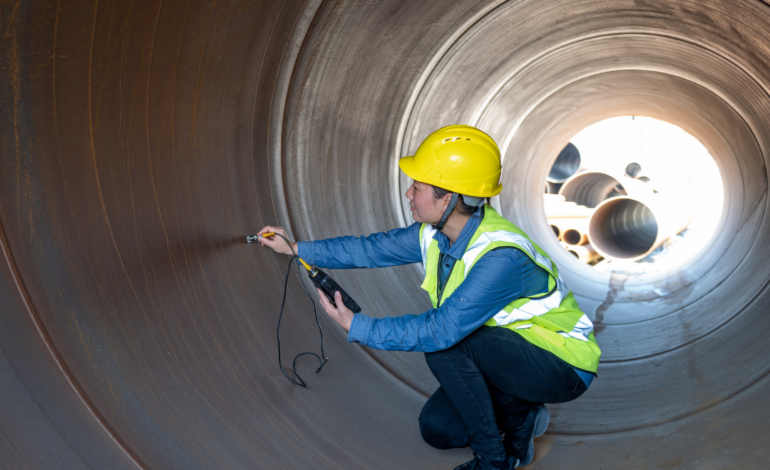
Coatings inspectors verify that surface preparation and coating work meet project requirements. They may monitor environmental conditions, inspect the prepared substrate, measure coating thickness, document application conditions, identify defects, and confirm that work follows the applicable specification.
You can find coatings inspectors working on bridges, pipelines, storage tanks, marine assets, industrial facilities, energy infrastructure, and many other coated structures.
Typical responsibilities
- Inspect surface preparation and coating application
- Monitor temperature, humidity, dew point, and other conditions
- Measure coating thickness and assess defects
- Document findings and verify specification compliance
Good fit if you like
- Quality control
- Fieldwork
- Technical documentation
- Problem-solving and attention to detail

HOW TO GET STARTED
A four-year degree is not necessarily required for entry into coatings inspection. Inspectors do need knowledge of surface preparation, coating application, inspection equipment, quality control, and specification requirements.
2. Industrial Painter / Coatings Applicator
Industrial painters and coatings applicators are responsible for preparing surfaces and applying protective coating systems to steel, concrete, and other substrates. Their workmanship has a direct effect on coating performance and service life.
These professionals work in environments ranging from bridges and storage tanks to shipyards, pipelines, water infrastructure, manufacturing facilities, and industrial plants.
Typical responsibilities
- Prepare surfaces by blasting, grinding, cleaning, or other methods
- Mix and apply coating materials
- Operate spray and surface-preparation equipment
- Check coverage and application quality
Good fit if you like
- Hands-on work
- Working with tools and equipment
- Visible project results
- Learning a skilled trade

HOW TO GET STARTED
Hands-on training, employer training, apprenticeships, and craft-development programs are common ways to enter the field and build application skills.
3. Cathodic Protection Technician
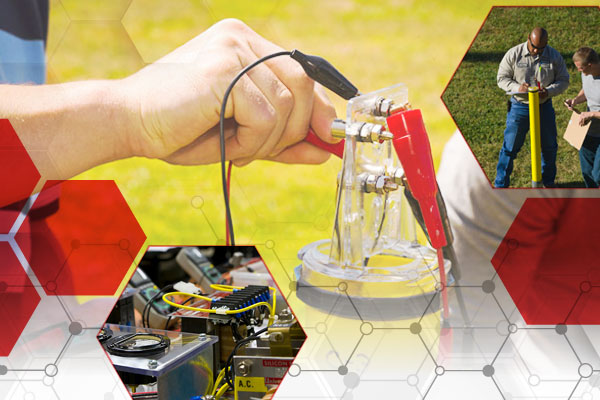
Cathodic protection professionals use electrochemical techniques to help control corrosion on metallic structures. CP systems are commonly used on buried or submerged assets such as pipelines, tanks, marine structures, and other infrastructure.
Technicians perform field testing, collect electrical measurements, evaluate system performance, troubleshoot problems, and support the installation and maintenance of cathodic protection systems.
Typical responsibilities
- Conduct CP surveys and field measurements
- Test system performance
- Maintain and troubleshoot CP equipment
- Document measurements and system condition
Good fit if you like
- Electrical concepts
- Field measurements
- Troubleshooting
- Working independently outdoors
HOW TO GET STARTED
Basic electrical knowledge, field experience, corrosion fundamentals, or a technical background can help. Many professionals begin with entry-level CP testing before advancing into more complex system evaluation.
4. Corrosion Technician
Corrosion technicians support monitoring, testing, inspection, maintenance, and corrosion-control programs. Depending on the employer and industry, they may collect field measurements, inspect assets, perform testing, maintain equipment, or assist engineers and other technical professionals.
Because the title can cover a broad range of work, corrosion technicians may be found in energy, manufacturing, utilities, transportation, laboratories, industrial plants, and other asset-intensive industries.
Typical responsibilities
- Conduct surveys and collect field data
- Perform corrosion or materials testing
- Support inspection and maintenance programs
- Document trends and asset condition
Good fit if you like
- Technical fieldwork
- Testing and measurement
- Data collection
- Learning multiple corrosion-control methods

HOW TO GET STARTED
Entry paths vary widely. Technical education, employer training, field experience, corrosion coursework, or experience in inspection, maintenance, coatings, or CP can all provide useful foundations.
5. Internal Corrosion Technologist
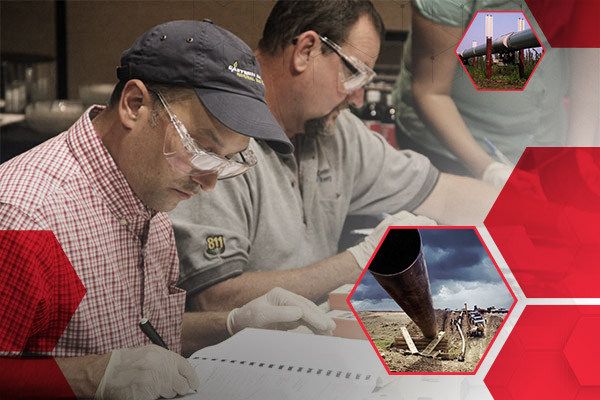
Internal corrosion professionals focus on corrosion that occurs inside pipelines, vessels, and other systems carrying water, oil, gas, chemicals, or multiphase fluids. Their work can involve monitoring corrosive conditions, evaluating fluid chemistry, interpreting inspection data, and recommending mitigation strategies.
This work is particularly important in pipeline, energy, water, process, and other systems where corrosion may develop inside equipment that cannot be evaluated through routine external inspection alone.
Typical responsibilities
- Assess internal corrosion threats
- Review fluid chemistry and operating conditions
- Develop monitoring programs
- Recommend mitigation or treatment strategies
Good fit if you like
- Chemistry and materials
- Data analysis
- Risk evaluation
- Technical problem-solving
HOW TO GET STARTED
A background in chemistry, materials, corrosion, pipeline operations, or engineering can be helpful, but career paths vary. Practical experience with monitoring, inspection, and corrosion-control programs is also valuable.
Why Choose a Career in Corrosion Prevention?
Corrosion affects nearly every industry that relies on physical infrastructure. Energy systems, bridges, ships, water facilities, pipelines, manufacturing plants, transportation assets, and defense systems all require professionals who understand how materials deteriorate and how that deterioration can be controlled.
That gives corrosion professionals the opportunity to build transferable skills and work across a range of sectors. Career paths can also evolve over time—from craft and field roles into inspection, supervision, technical specialization, engineering support, consulting, training, or management.
CAREER GROWTH
Your first corrosion role does not have to be your final one.
Experience in coatings, inspection, cathodic protection, testing, maintenance, or corrosion monitoring can become the foundation for increasingly specialized technical and leadership roles.
Common Questions About Corrosion Careers
Quick answers for people considering a career in materials protection.
What jobs are available in corrosion?
Corrosion-related careers include coatings inspection, coatings application, cathodic protection, corrosion testing and monitoring, internal corrosion, materials engineering, research, asset integrity, technical sales, consulting, and many other specialties.
Do I need an engineering degree to work in corrosion?
No. Some corrosion roles require engineering or scientific education, but many careers in coatings application, inspection, cathodic protection, testing, and technician work can be entered through technical training, apprenticeships, employer training, certifications, and field experience.
What is a good entry-level corrosion career?
The best entry path depends on your interests. People who enjoy skilled craft work may prefer coatings application. Those interested in inspection may explore entry-level coatings inspection. Cathodic protection testing and technician roles can appeal to people who enjoy electrical measurements and field troubleshooting.
What industries hire corrosion professionals?
Corrosion professionals work across energy, pipelines, marine, transportation, water and wastewater, manufacturing, infrastructure, utilities, defense, aerospace, chemical processing, and other industries that depend on durable materials and physical assets.
How can I start a career in corrosion?
Start by identifying the type of work that interests you, then explore the skills and training associated with that role. Technical education, employer training, apprenticeships, AMPP courses and certifications, field experience, and networking with professionals in the industry can all help you build a path forward.
FIND YOUR PATH
Explore Training for the Career You Want
AMPP education and certification programs cover coatings, cathodic protection, corrosion, inspection, craft skills, and other areas of materials protection. Explore programs by job function or technical discipline.
EXPLORE MORE
Continue Exploring Careers in Materials Protection
Education by Job Function →
AMPP Education & Certification →
AMPP Membership →

Have photos or videos from the field? Submit them to AMPP →