Safety and the application of protective coatings
Safety factors to consider when applying coatings and steps for a zero injuries coatings work culture are highlighted in this AMPP Corrosion CONTROLLED post.
Safety factors to consider when applying coatings and steps for a zero injuries coatings work culture are highlighted in this AMPP Corrosion CONTROLLED post.
In this post, the concept of corrosion management is defined, its components outlined, & the benefits implementation can afford asset owners is explained.
Microbiologically induced corrosion on aircraft and their fuel systems may be prevented with decontamination enclosure, Air Force research shows.
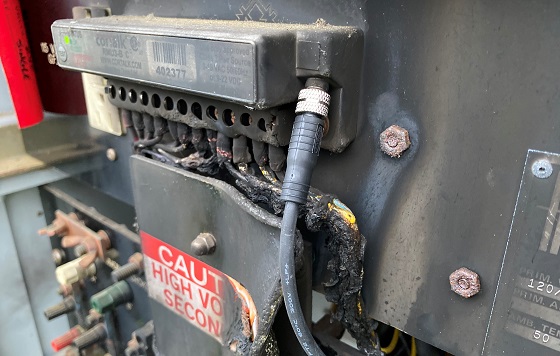
How lightning-resistant remote cathodic protection (CP) monitoring devices relay potential problems in a timely manner & can prevent pipeline corrosion.
New standards will eliminate solvent-borne coatings currently certified causing changes in the water and coatings industries. Learn how you can prepare.
An introduction to sacrificial galvanic and impressed current cathodic protection (CP) systems for mitigating corrosion in fixed seawater structures.
More than one bacterial family can cause microbiologically induced corrosion (MIC) in shale fracking wells; its key to know which microbes are doing damage.
Surface prep, application, and use of polyurea coatings for reducing costs for structures in marine environments.
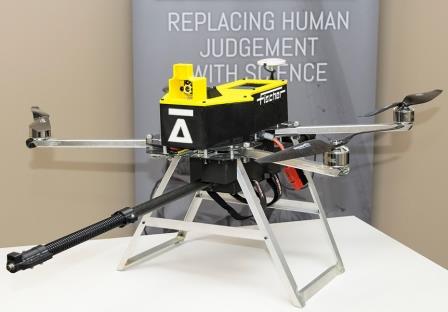
Time, efficiency, and safety are just some of the benefits discussed of using drones to measure coating thickness.
Coatings inside water tanks require complex chemistry to protect the tank and ensure potable water storage safety. This post explains how it is achieved.