The Basics on Testing Protective Coatings
The importance of coatings tests are explained and basic steps involved with field or service testing are presented.
The importance of coatings tests are explained and basic steps involved with field or service testing are presented.

Coating water tanks require a specific skill set and involve much preparation. Safety and other challenges in protecting these assets are identified.
Soil resistivity and pipe-to-soil potential surveys are two of the most fundamental field measurements. Both corrosion monitoring methods are explained.
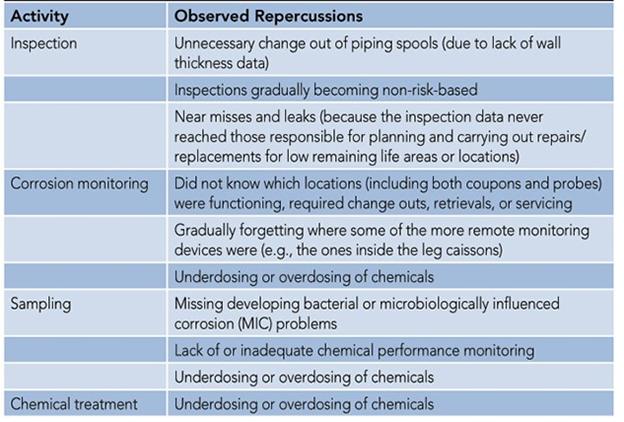
Inadequate reporting leads to asset integrity repercussions. Content, structure, and distribution of effective corrosion information is outlined.
Analysis is required to confirm corrosion is caused by microbes. Proper sampling for diagnosing microbiologically influenced corrosion is outlined.
A quick overview of the most expensive part of building a new vessel -- surface prep and coatings work for the prevention of corrosion.
New technology helps advance remote cathodic protection (CP) monitoring eliminating in-person pipeline maintenance and providing improved operational data.
Three experts in oil and gas pipeline corrosion management succinctly explain the value of employing a corrosion management system (CMS).
Differences between bacterial culturing and molecular microbiological MIC detection are explained as well as the benefits of using one over the another.
Environmental factors can deteriorate your asset's coatings, leading to corrosion. Reduced maintenance costs and extended coating life may be realized through the use of a nanocoating topcoat system. The protective benefits of applying this system, which uses nano-structured polymers, is explained.