Robots! New Tech Drives Progress in the Coatings & Corrosion Industry
Robots are changing the way we protect assets and infrastructure from the effects of corrosion.
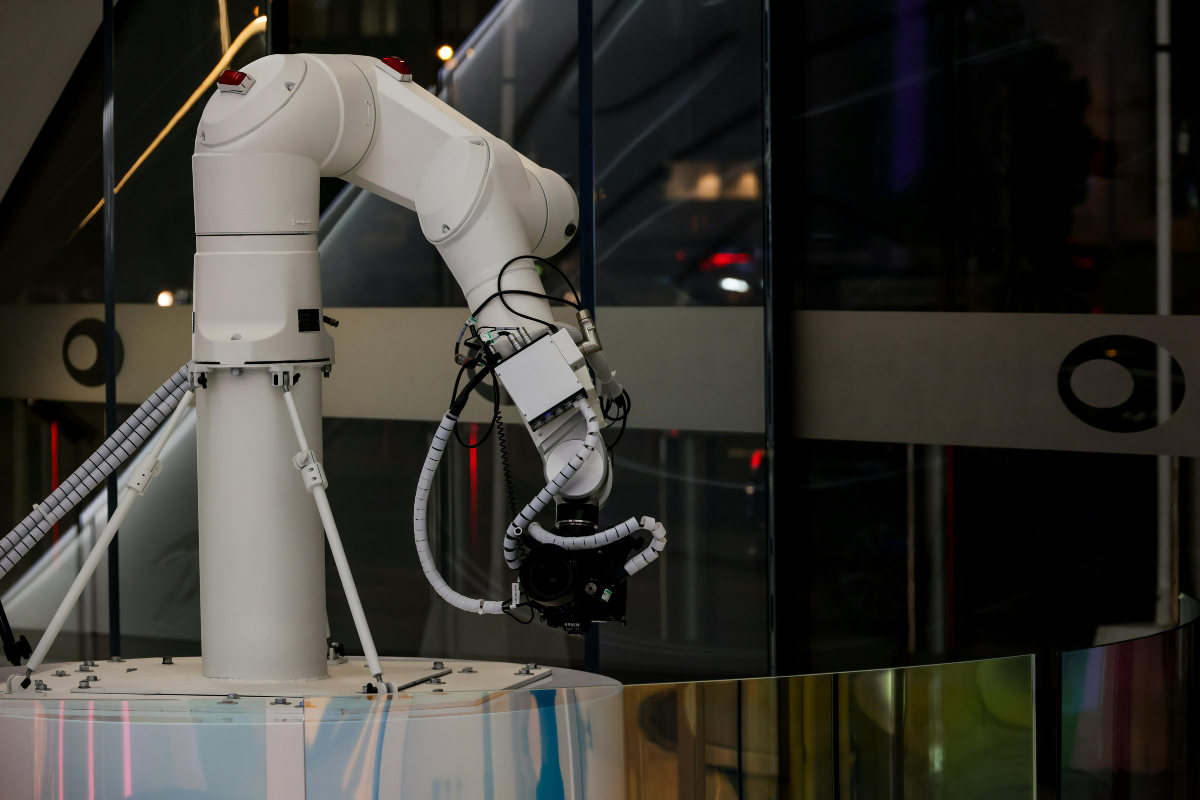
Robots are changing the way we protect assets and infrastructure from the effects of corrosion.
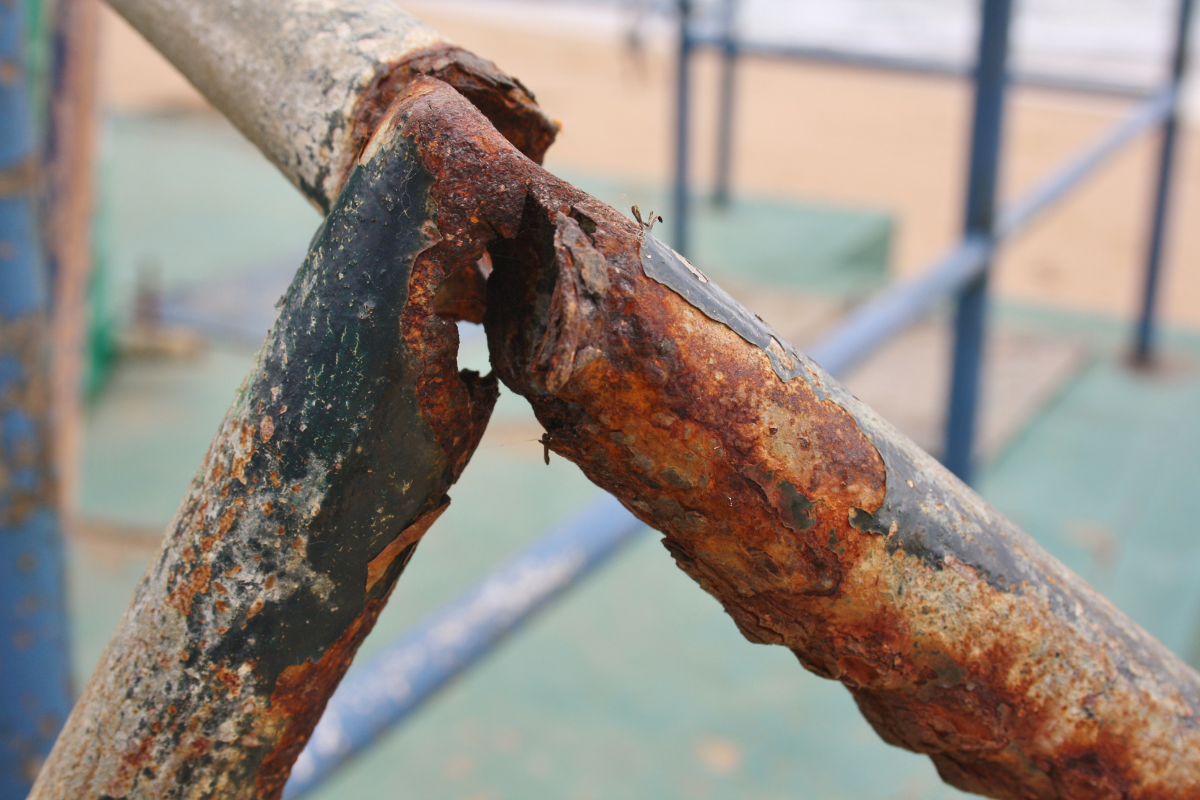
Water is a basic need but countries challenged with satisfying this need may not be aware that water systems are tied to materials & corrosion control.
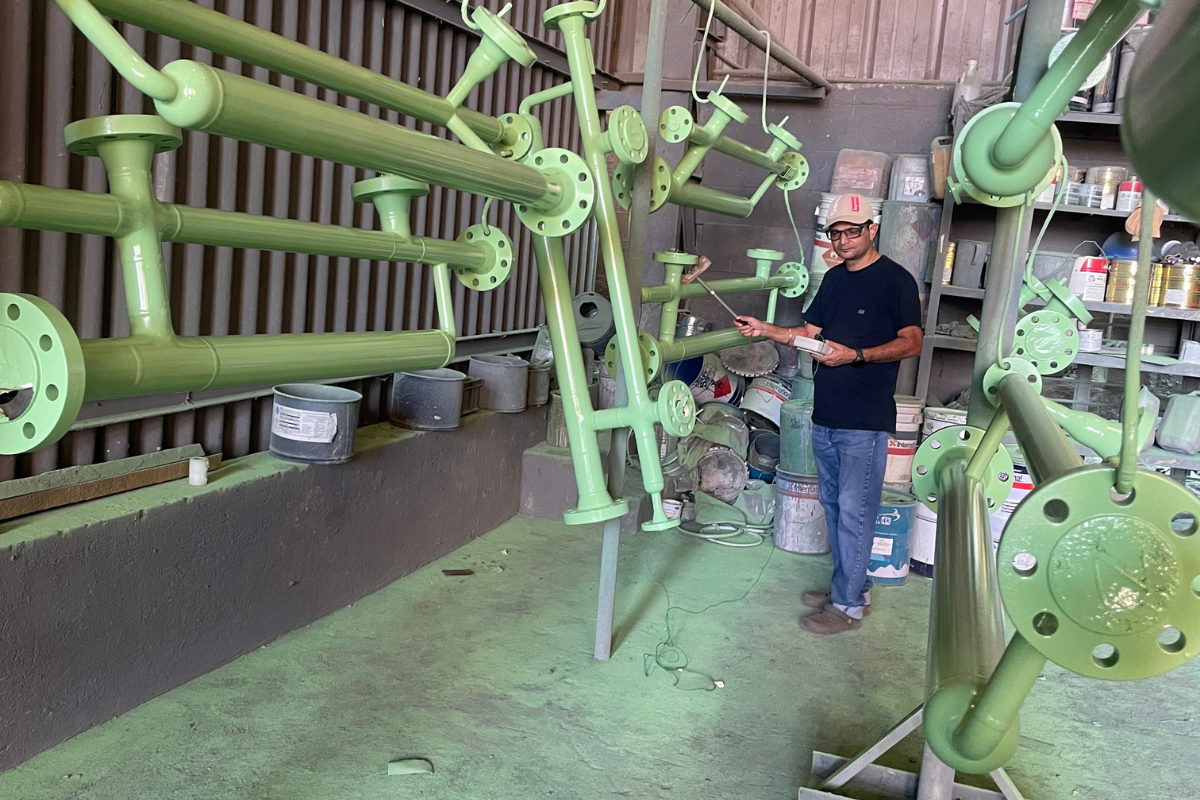
Well prepared coating specs impact the entire project scope & essential to providing instructions to contractors & inspectors on what & how a job is to be done.
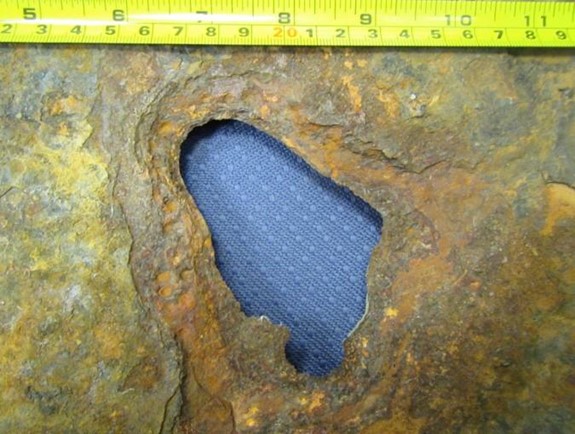
Case study shows what first thought was corrosion caused by an inefficient CP systems was microbiologically influenced corrosion (MIC).
A liquid waterproofing elastomeric coating solution is highly flexible and can provide four waterproofing advantages in commercial construction projects.
The process by which salt is removed from water is key to solving corrosion problems at desalination plants. An overview of the three main processes is presented.
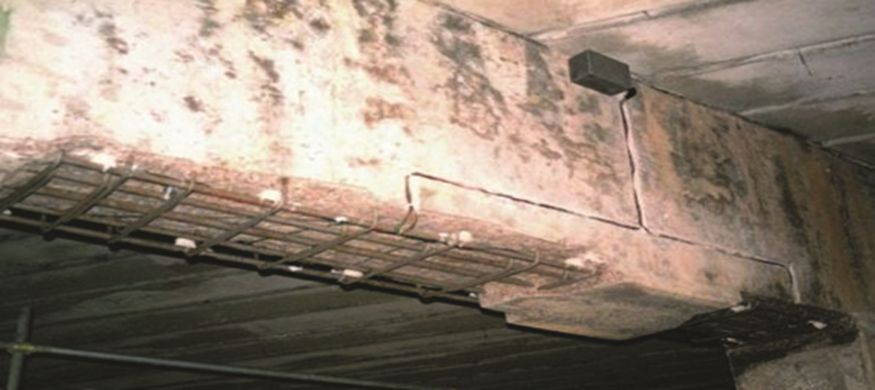
Studies on real structures verify the long-term performance of galvanic cathodic protective CP systems on corroded reinforced concrete structures.
Corrosion management implementation involves 3 phases; shortcomings in any one can derail the entire program. Here's how to shore up phase 1 for success.
Oil & gas operators need to understand how just one microbe cell can wreak havoc on a reservoir. Learn the importance of a microbial control program.
Understanding why concrete cracks can help in determining who is responsible for those that appear after the installation of floor coatings.