Prevent Cold Stress: Three Steps for Choosing Winter PPE

WINTER SAFETY · PERSONAL PROTECTIVE EQUIPMENT
Cold weather adds another layer of risk to industrial work. Low temperatures, wind, moisture, ice, and reduced visibility can all affect worker comfort, dexterity, awareness, and safety.
Workers exposed to cold environments may be at risk for cold stress, including conditions such as hypothermia, frostbite, trench foot, and chilblains. Winter PPE should therefore be selected as part of a broader cold-weather safety plan that considers temperature, wind, precipitation, duration of exposure, physical activity, and the hazards of the job itself.
COLD-WEATHER PPE IS ONLY ONE PART OF THE PLAN
Warm clothing helps, but winter safety also depends on work practices, monitoring, breaks, shelter, and hazard awareness.
PPE should be selected for the specific conditions and should not interfere with other protective requirements, equipment use, mobility, visibility, or task performance.
AT A GLANCE
Three things to look for in winter PPE
- Layering and moisture management to help workers stay dry and maintain warmth.
- Hand protection with warmth, grip, and dexterity appropriate to the task.
- High-visibility options where low light, weather, or traffic creates visibility concerns.
01 · LAYERS & MOISTURE MANAGEMENT
Choose Clothing That Helps Workers Stay Warm and Dry
Moisture can increase heat loss and make cold conditions more dangerous. Clothing systems should help manage both external moisture, such as rain or snow, and internal moisture caused by perspiration.
A layered approach can help workers adjust as conditions or activity levels change. The specific layers should be chosen for the environment and the work being performed.
BASE LAYER
Manage moisture next to the skin
Moisture-managing fabrics can help move perspiration away from the body and reduce prolonged contact with damp clothing.
OUTER LAYER
Protect against wind and precipitation
Outerwear may need to provide resistance to rain, snow, wind, or other environmental exposure while still allowing safe movement.
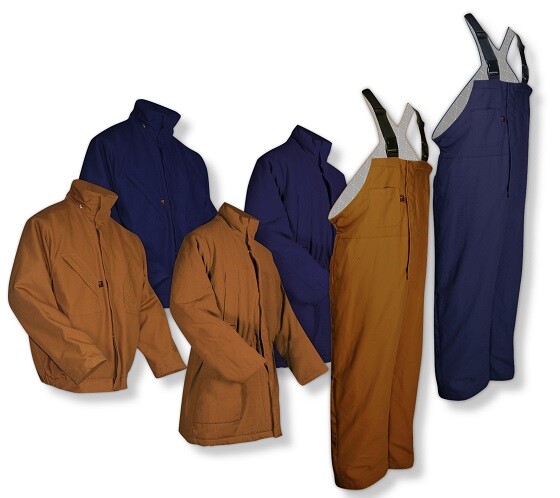
Winter PPE should balance warmth, mobility, moisture protection, and the requirements of the task.
DON’T SACRIFICE MOBILITY
More insulation is not always better if bulky clothing restricts movement, interferes with fall protection, reduces visibility, creates snag hazards, or makes tools and equipment harder to use safely.
02 · HAND PROTECTION
Balance Warmth, Grip, and Dexterity
Cold hands can make detailed work more difficult, while thick or poorly fitted gloves can reduce dexterity and tactile control. Winter hand protection should therefore be selected for both the cold environment and the hazards of the specific task.
Depending on the work, useful features may include thermal insulation, water resistance, grip-enhancing coatings, flexible construction, or protection against other mechanical, chemical, electrical, or thermal hazards.
WINTER GLOVE CHECKLIST
- Is the glove warm enough for the expected conditions?
- Can the worker safely grip tools and equipment?
- Does the glove remain usable when wet?
- Does it provide the other protection required for the task?
- Does the worker retain enough dexterity to work safely?
03 · VISIBILITY
Consider High-Visibility PPE for Winter Conditions
Winter weather can reduce visibility through clouds, snow, sleet, fog, precipitation, and shorter daylight hours. Workers may also begin or end shifts in darkness during winter months.
Where visibility is a jobsite concern, high-visibility garments or other appropriate controls can help make workers easier to see around vehicles, equipment, traffic, or low-light work areas.
WINTER CHANGES THE WORK ENVIRONMENT
The same job may require different controls in January than it does in July.
Weather can change footing, visibility, dexterity, equipment performance, exposure time, access, and worker fatigue. Cold-weather planning should account for those changing conditions.
Preventing Cold Stress Takes More Than PPE
Appropriate clothing is important, but cold-stress prevention should also address how the work is planned and managed. Employers and workers should be prepared to recognize changing conditions and early signs that cold exposure is becoming a problem.
PLAN THE WORK
- Monitor weather conditions
- Consider wind and moisture
- Plan warming opportunities
- Adjust work as conditions change
WATCH THE WORKER
- Know signs of cold stress
- Replace wet clothing
- Encourage communication
- Respond early to symptoms
BOTTOM LINE
The best winter PPE is not simply the warmest option. It is the protection that keeps workers warm and dry while still allowing them to see, move, grip, communicate, and perform their jobs safely.
ORIGINAL SOURCE
For additional cold-weather safety resources, Magid maintains a safety resource center →
This article by Jamie Bonnema of Magid was first published on CoatingsProMag.com on February 1, 2023. Republished by permission.
PROTECT THE PEOPLE WHO PROTECT ASSETS
Build Skills for Safer, Better Work
Explore AMPP education and technical resources for coatings, corrosion control, inspection, and field work.
EXPLORE MORE
Protective Coatings & Workforce Resources
AMPP Education →
Corrosion Reference Library →
Materials Performance →
CoatingsPro →

Have photos or videos from the field? Submit them to AMPP →