The 2024 Water Resources Development Act: A Win for U.S. Infrastructure and Corrosion Prevention
WATER INFRASTRUCTURE · CORROSION POLICY
The Water Resources Development Act of 2024 added new corrosion-prevention provisions to federal water-resources law, reinforcing the role of qualified corrosion-control and industrial coatings programs in U.S. Army Corps of Engineers water infrastructure projects.
The change reflects a broader shift toward considering corrosion prevention earlier in the lifecycle of publicly funded infrastructure rather than treating deterioration only after damage becomes visible.
LEGISLATIVE UPDATE
This article was originally published while WRDA 2024 was still moving through Congress. The legislation was subsequently enacted on January 4, 2025 as the Thomas R. Carper Water Resources Development Act of 2024. This version has been updated to reflect the final law rather than the earlier legislative status.
AT A GLANCE
What changed under WRDA 2024?
- Section 1135 addresses corrosion prevention within federal water-resources infrastructure activities.
- Qualified corrosion programs are recognized as part of how corrosion-prevention work may be carried out.
- Industrial coatings applicator training pathways are included when they meet specified workforce or apprenticeship criteria.
- The law increases attention to implementation by requiring follow-up reporting on corrosion-prevention activities.
- The policy affects U.S. Army Corps of Engineers Civil Works projects authorized through federal water-resources legislation.
IN THIS ARTICLE
Why corrosion matters · Section 1135 · Qualified programs · Implementation & accountability · Industry impact · Lifecycle protection · Common questions
Why Does Corrosion Prevention Matter in Water Infrastructure?
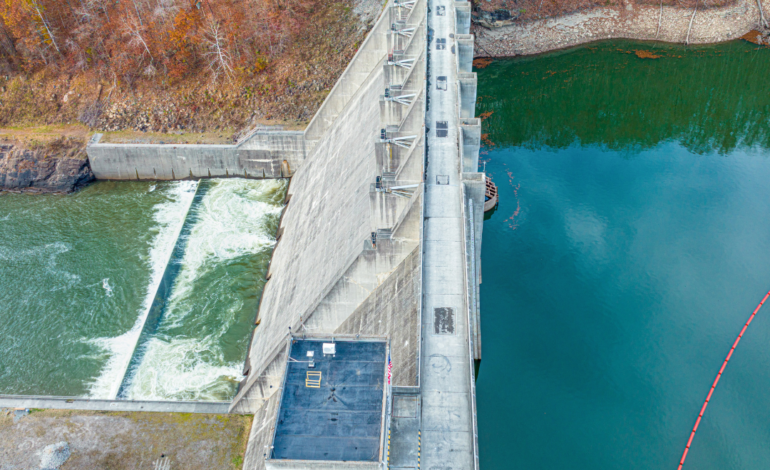
Water-resources infrastructure can include locks, dams, levees, flood-control systems, navigation structures, coastal infrastructure, pumping systems, gates, pipelines, and other assets exposed to moisture, immersion, atmospheric conditions, soils, salts, chemicals, and changing environments.
Those conditions can make corrosion an important lifecycle consideration for metallic components, reinforced concrete, coatings, mechanical systems, and associated infrastructure.
Maintenance
Corrosion can increase inspection, repair, recoating, replacement, and rehabilitation needs.
Reliability
Deteriorating components can affect how reliably infrastructure performs its intended function.
Service Life
Effective materials protection can help infrastructure remain serviceable for longer periods when appropriately designed and maintained.
Public Investment
Lifecycle corrosion planning can influence how effectively infrastructure investments are preserved over time.
A LIFECYCLE APPROACH
Corrosion control is most effective when it begins before visible deterioration.
Material selection, design, protective coatings, cathodic protection, inspection, maintenance planning, and qualified application can all play a role in managing deterioration throughout the infrastructure lifecycle.
What Does Section 1135 of WRDA 2024 Do?
Section 1135 amended existing water-resources law governing corrosion prevention activities. The provision adds specific language describing programs through which applicable corrosion-prevention work may be carried out.
The provision was developed with input from AMPP and industry partners and reflects congressional recognition that corrosion-control work benefits from established technical and workforce frameworks.
What Types of Corrosion Programs Are Recognized?
The enacted language identifies two general pathways for applicable corrosion-prevention activities.
PATHWAY 1
Industry corrosion-prevention programs
A program in corrosion prevention may be offered or accredited by an organization that sets industry standards for corrosion mitigation and prevention.
PATHWAY 2
Industrial coatings applicator programs
The law also recognizes industrial coatings applicator programs that qualify as employment and training activities under federal workforce law or are registered under the National Apprenticeship Act.
WHY QUALIFICATIONS MATTER
Corrosion protection depends on both the system and the people implementing it.
Protective coatings and other corrosion-control systems can be highly dependent on surface preparation, application, inspection, environmental conditions, workmanship, and compliance with project requirements. Workforce qualification is therefore an important part of materials protection.
How Does WRDA 2024 Address Implementation and Accountability?
The legislation also called for follow-up action by the Secretary of the Army related to implementation of corrosion-prevention activities.
AMPP’s original legislative summary highlighted a requirement for the Secretary to report to Congress within 90 days of enactment on the status of corrosion-prevention measures and prior implementation work.
FROM POLICY TO PRACTICE
Enactment is only the beginning.
The practical impact of a statutory corrosion requirement depends on how agencies develop guidance, incorporate requirements into project delivery, qualify contractors and personnel, document compliance, and monitor results over time.
What Does WRDA 2024 Mean for Materials Protection Professionals?
For the corrosion-control and protective coatings community, the legislation reinforces the importance of qualified technical programs and trained personnel in federally authorized infrastructure work.
Its practical significance may extend across multiple areas of the industry.
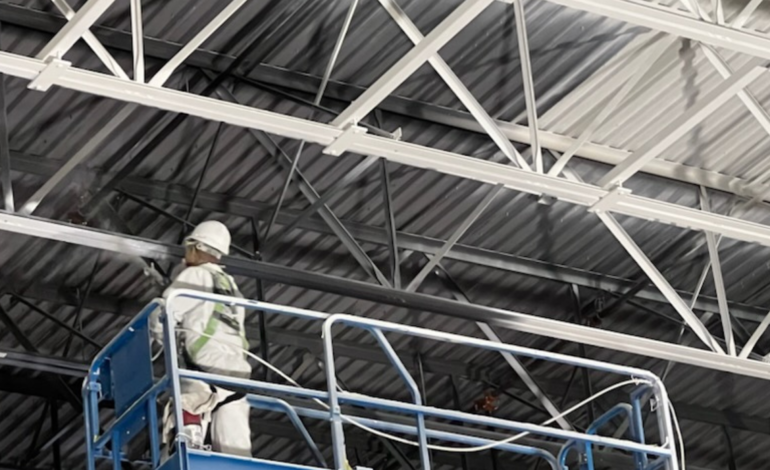
Coatings Application
Qualified applicators and training programs can play an important role in achieving specified coating performance.
Inspection
Inspection and documentation help verify whether materials protection work aligns with project requirements.
Workforce Development
The law’s workforce language connects infrastructure quality with established training and apprenticeship pathways.
Asset Management
Corrosion planning can become part of lifecycle decision-making rather than an isolated maintenance activity.
“Corrosion prevention is fundamental to the sustainability, safety, and longevity of our nation’s water resources infrastructure.”
— Kern Williams, AMPP Government Relations
The Bigger Picture: Protecting Infrastructure Across Its Lifecycle
The significance of WRDA 2024 goes beyond a single corrosion-control technique or workforce program. It reflects the value of integrating materials protection into infrastructure planning from the beginning.
For water-resources assets, effective corrosion management can involve multiple strategies working together:
DESIGN · Select materials and details appropriate to the environment
↓
PROTECTION · Use coatings, cathodic protection, inhibitors, or other appropriate methods
↓
QUALIFIED INSTALLATION · Apply systems according to specifications and procedures
↓
INSPECTION · Verify preparation, application, condition, and performance
↓
MAINTENANCE · Identify and address deterioration before it becomes more extensive
↓
REHABILITATION · Repair, replace, or upgrade protection as conditions change
THE BIGGER PICTURE
Infrastructure protection is not one coating application or one inspection. It is a lifecycle system.
WRDA 2024’s corrosion language reinforces the idea that materials protection should be incorporated into how public infrastructure is planned, delivered, maintained, and evaluated over time.
Common Questions About WRDA 2024 and Corrosion Prevention
Quick answers about the water-resources legislation and its corrosion-control provisions.
What is WRDA?
The Water Resources Development Act is recurring federal legislation that authorizes U.S. Army Corps of Engineers Civil Works activities and establishes policies related to water-resources infrastructure and projects.
When did WRDA 2024 become law?
The Thomas R. Carper Water Resources Development Act of 2024 was enacted on January 4, 2025 as Public Law 118-272.
What does Section 1135 address?
Section 1135 addresses corrosion prevention and adds language recognizing qualifying corrosion-prevention and industrial coatings applicator programs for applicable activities under federal water-resources law.
Does WRDA 2024 require AMPP certification specifically?
The statutory language does not name AMPP specifically. It refers more broadly to corrosion-prevention programs offered or accredited by organizations that set industry standards, as well as qualifying industrial coatings applicator workforce programs.
Why are coatings applicator qualifications included?
Protective coating performance can depend heavily on surface preparation, application practices, environmental conditions, workmanship, and compliance with specifications. Recognized training pathways help support workforce capability in those areas.
AMPP GOVERNMENT AFFAIRS
Follow Infrastructure & Corrosion Policy
Learn how AMPP engages policymakers on water infrastructure, transportation, defense, workforce development, materials protection, and other industry priorities.
EXPLORE MORE
Water Infrastructure & Corrosion Resources
Water & Wastewater Infrastructure →
Corrosion Reference Library →
AMPP Standards →
AMPP Education →
Government Affairs →

Have photos or videos from the field? Submit them to AMPP →