Prep Makes Perfect: Surface Strategies for Concrete Coatings

SURFACE PREPARATION · PROTECTIVE COATINGS
Successful coating application starts with successful surface preparation. That can involve much more than cleaning or blasting: contractors may need to address worker safety, dust control, power supply, climate conditions, contaminants, old coatings, surface defects, grinding, profiling, and inspection before the coating system is applied.
The exact preparation method depends on the substrate, existing condition, coating specification, contaminants, jobsite conditions, and the protective system that will follow. The goal is not simply to make the surface look clean—it is to create the condition required for the coating system to perform as intended.
FROM THE COATINGSPRO ARCHIVES
This article is adapted from a 2020 CoatingsPro surface-preparation roundup focused on concrete. Product examples and regulatory references from the original article are preserved below as historical context and should not be treated as current product recommendations or compliance guidance.
AT A GLANCE
Five things to think about before coating application
- Safety: Identify hazards and establish controls before physical preparation begins.
- Dust and containment: Plan for silica, debris, old coating, and other contaminants generated by the work.
- Power and equipment: Confirm the jobsite can support grinders, vacuums, compressors, and other tools.
- Preparation method: Match grinding, blasting, scraping, scarifying, cleaning, or other techniques to the substrate and specification.
- Verification: Confirm the prepared surface meets the requirements of the coating system before application.
IN THIS GUIDE
Why preparation matters · Safety · Power & equipment · Grinding & removal · Dust control · Verify the surface · 2020 product examples · Common questions
Why Surface Preparation Matters Before Coating
Protective coatings depend on the condition of the surface beneath them. Rust, laitance, old coating, oil, dust, soluble contamination, moisture, weak concrete, or an unsuitable surface profile can interfere with adhesion or contribute to premature coating deterioration.
That makes surface preparation a technical process rather than a single task. Contractors may need to move through several stages before the substrate is ready for coating.
THE BASIC PRINCIPLE
A coating system cannot compensate for an unsuitable substrate.
Preparation should be driven by the substrate condition, coating manufacturer’s requirements, project specification, and applicable standards—not simply by whichever equipment happens to be available.
1. Start With the Safety Plan
Before grinding, blasting, scraping, pressure washing, or using chemical treatments, contractors need to understand the hazards associated with the work and the jobsite.
The preferred approach is generally to control hazards as close to the source as practical. Engineering controls, work practices, containment, ventilation, dust collection, and personal protective equipment may all play a role depending on the task.
THINK BEYOND PPE
Protective equipment is important, but jobsite safety should also consider whether the hazard can be eliminated, substituted, isolated, contained, ventilated, or otherwise controlled before relying on PPE alone.
Concrete preparation can create respirable silica dust
Grinding, cutting, scarifying, and other work on concrete can generate airborne dust containing respirable crystalline silica. Dust-control equipment and task-specific exposure controls should be planned before work begins.
Always use current OSHA requirements, employer safety procedures, project requirements, and qualified safety guidance when planning exposure controls.
2. Make Sure the Jobsite Can Power the Work
Surface-preparation equipment can require significant electrical power or compressed air. Before mobilizing equipment, confirm whether the site can support what the project requires.
Electrical Supply
Can the facility safely supply the voltage and load required by grinders, vacuums, lighting, climate-control equipment, and other tools?
Compressed Air
Does pneumatic equipment require a compressor, and can it provide the necessary pressure, volume, and air quality for the task?
Temporary generators, mobile power systems, and portable compressors can expand what is possible at remote or partially constructed jobsites, but equipment selection should be based on the actual load and operating requirements.
3. Choose the Right Mechanical Preparation Method
Mechanical surface preparation can include grinding, scarifying, scraping, sanding, blasting, or other removal techniques. The appropriate method depends on what needs to be removed and what surface condition must remain afterward.
Grinding
Can remove coatings, adhesives, residues, irregularities, and weak surface material while creating a more uniform substrate.
Scarifying
Uses cutters or similar mechanical action to remove surface material more aggressively and can create a deeper texture.
Abrasive Blasting
Can remove existing material and create a specified surface profile when appropriate for the substrate and project.
Hand and Portable Power Tools
Smaller equipment can be useful for edges, details, confined areas, spot repairs, and locations where large machines cannot operate.
MATCH THE TOOL TO THE OUTCOME
The question is not “Which machine is best?” It is “What surface condition does this coating system require?”
Once the required endpoint is clear, contractors can select the preparation method and equipment capable of producing it safely and consistently.
4. Control Dust as Part of the Preparation System
Grinding and removal equipment should not be considered separately from containment and dust collection. The preparation process can generate dust and debris that affect worker exposure, surrounding operations, surface cleanliness, and ultimately the coating application itself.
Vacuum-assisted tools and properly selected dust collectors can help capture debris close to where it is generated. Equipment capacity, filtration, hoses, shrouds, maintenance, and work practices all influence system performance.
BEFORE WORK STARTS
- Identify what dust or debris the task may generate.
- Select task-appropriate controls and containment.
- Confirm the vacuum or dust collector is compatible with the tool.
- Plan for disposal of collected material.
- Protect adjacent workers, equipment, and finished surfaces.
- Verify that the prepared surface is clean before coating application.
5. Verify the Surface Before Coating
Surface preparation is not complete merely because the equipment has stopped. The prepared substrate should be evaluated against the requirements of the project and coating system.
- Has the required existing coating or contamination been removed?
- Is the surface clean and dry enough for the next step?
- Does the substrate have the required profile or texture?
- Are defects, cracks, laitance, weak material, or other conditions still present?
- Are soluble contaminants or other invisible conditions a concern?
- Do ambient and surface conditions allow coating application to proceed?
PREPARATION IS A QUALITY STEP
Inspect the substrate before you cover it.
Once the coating is applied, many preparation problems become hidden. Verification before application creates an opportunity to correct them while the surface is still accessible.
Product Examples From the Original 2020 Roundup
The original CoatingsPro article highlighted several products and manufacturers that illustrated surface-preparation trends at the time. These examples are preserved as part of the article’s historical context rather than as current recommendations.
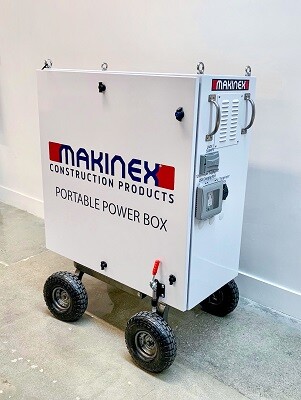
Portable Power · Makinex Power Box
The article highlighted a battery-powered portable power system from Makinex as one option for jobsites without convenient electrical supply.
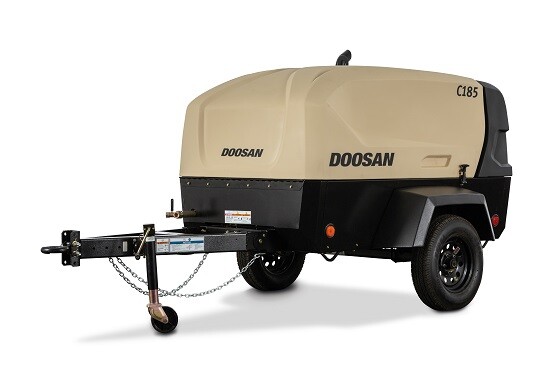
Compressed Air · Doosan Portable Compressor
The 2020 article also discussed portable compressor technology used to support pneumatic tools on surface-preparation jobsites.
Grinding & Dust-Control Equipment
Other manufacturers discussed in the 2020 roundup included General Equipment Co., EDCO, Robert Bosch Tool Corp., Pullman Ermator, Aggreko, Sunbelt Rentals, United Rentals, Briggs & Stratton, and others. Product availability, specifications, ownership, and regulatory claims may have changed since publication.
Surface Preparation Continues to Evolve
New equipment can make surface preparation more portable, efficient, controlled, and measurable, but equipment does not replace contractor judgment.
Experienced contractors often identify better ways to use existing tools, adapt work sequences, and solve site-specific challenges. That kind of practical innovation is most valuable when it remains grounded in the project specification, coating manufacturer’s requirements, safety rules, and established preparation standards.
Common Questions About Surface Preparation for Coatings
Quick answers about preparing concrete and other substrates before protective coating application.
What is surface preparation for coatings?
Surface preparation is the process of cleaning, removing unsuitable material, creating the required surface condition or profile, and verifying that a substrate is ready to receive a coating or lining system.
Why is surface preparation important?
Coating performance depends partly on the condition of the substrate. Contamination, weak material, old coating, dust, moisture, or an unsuitable profile can interfere with adhesion and contribute to premature coating deterioration.
What methods are used to prepare concrete for coatings?
Depending on the project, preparation may involve cleaning, pressure washing, grinding, scarifying, abrasive blasting, scraping, chemical treatment, or other methods. The specified coating system and substrate condition should determine the appropriate method.
How do you control silica dust during concrete preparation?
Dust-control measures may include engineering controls, vacuum-assisted tools, containment, ventilation, work practices, and PPE. Use current OSHA requirements and the project’s qualified safety plan to determine the controls required for a specific task.
How do you know when a surface is ready for coating?
The substrate should be evaluated against the coating manufacturer’s requirements, project specification, and applicable standards. Depending on the system, this may include cleanliness, surface profile, contamination, moisture, environmental conditions, and substrate soundness.
ORIGINAL COATINGSPRO FEATURE
This article is based on an excerpt from CoatingsPro’s May 2020 annual surface preparation roundup, with the excerpt focused primarily on concrete surface preparation.
Original article by Ben DuBose. First published on CoatingsPro.com on July 1, 2020. Reprinted with permission. Original photos courtesy of Doosan Portable Power, General Equipment Co., and Makinex Construction Products.
GO DEEPER
Explore More Coatings Projects and Field Techniques
Read project profiles, equipment coverage, technical insights, and field stories from protective coatings professionals.
EXPLORE MORE
Build Your Surface Preparation Knowledge
AMPP Education & Certification →
AMPP Standards →
CoatingsPro Magazine →

Have photos or videos from the field? Submit them to AMPP →